Bicycle Lane Paving: Design, Safety, and Durability in Urban Environments
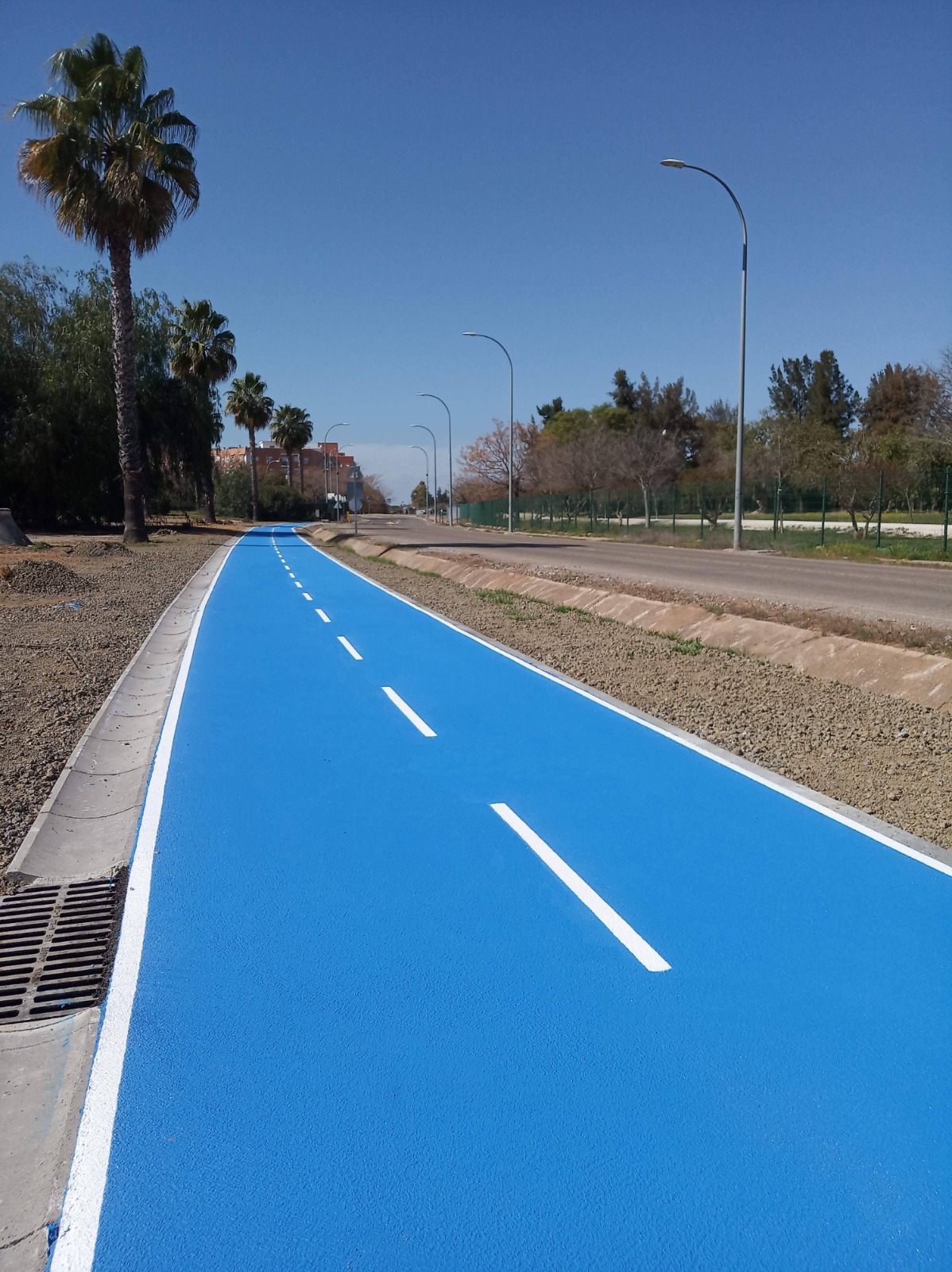
The growth of sustainable mobility is driving the development of new urban infrastructure, including bike lanes. However, beyond design and signage, the performance of the pavement is a key factor in ensuring safety and durability.
Bike lane pavement must meet specific technical requirements resulting from continuous use, exposure to the elements, and integration into the urban environment.
What requirements must a bike lane surface meet?
A suitable solution should offer:
- dry and wet traction
- stability against temperature changes
- resistance to wear caused by constant traffic
- controlled maintenance
- color uniformity and stability
These factors directly affect user safety and the service life of the infrastructure.
Resin Systems for Urban Pavements
At Composan, as manufacturers of solutions for sports, industrial, and urban paving, we develop systems tailored to the needs of bike lanes and other mobility spaces.
The system's design is key to ensuring that the surface retains its properties over time, even under conditions of heavy use and exposure to the elements.
Bike Lanes and Urban Planning
Bike lanes are part of a comprehensive strategy for mobility and sustainability. For them to function efficiently, it is essential that the pavement be designed using a technical approach that combines:
- functionality
- safety
- aesthetic integration
- durability